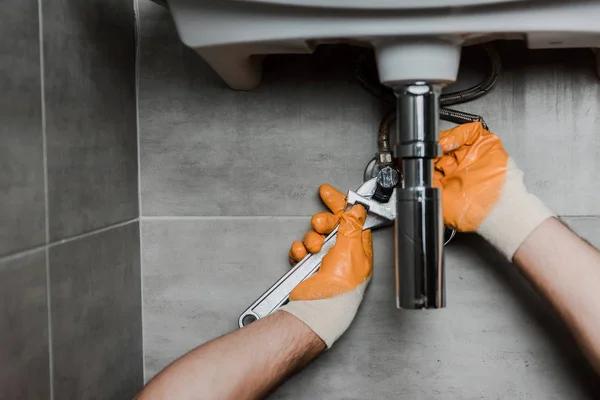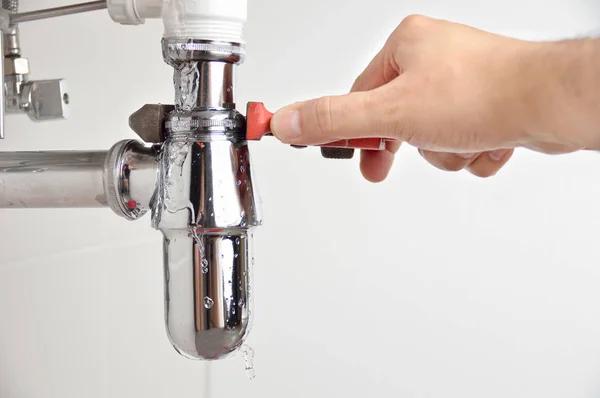
Damaged plumbing is a common issue that can lead to costly water leaks, often causing significant financial and structural problems for homeowners. When pipes or fixtures are compromised due to wear and tear, corrosion, freezing, or accidental impact, they become vulnerable to leaks. These leaks may start small but can quickly escalate if not addressed promptly. The hidden nature of many plumbing systems means that damage often goes unnoticed until substantial water has escaped into walls, floors, or foundations.
One primary reason damaged plumbing results in expensive leaks is the continuous flow of water through compromised areas. Even a minor crack or loose joint allows water to seep out steadily over time. This constant leakage increases water bills dramatically because read the complete guide waste accumulates without immediate detection. In addition to higher utility costs, persistent moisture from leaking pipes promotes mold growth and wood rot within building structures. Mold remediation and repair of structural damage add significantly to overall expenses.
Another factor contributing to costly consequences is the difficulty involved in locating the source of a leak when plumbing is damaged internally behind walls or underground. Without visible signs like dripping faucets or puddles on floors, identifying where water escapes requires specialized equipment such as thermal imaging cameras or moisture meters used by professional plumbers. Delays in pinpointing the problem allow more extensive deterioration before repairs begin.
Moreover, damaged plumbing components tend to worsen over time rather than improve on their own. Corroded metal pipes may develop larger holes; plastic fittings exposed to stress might crack further under pressure; seals around joints weaken with age and movement within the system. As these conditions deteriorate incrementally yet persistently, what starts as a manageable repair job can evolve into major pipe replacements requiring significant labor and materials.
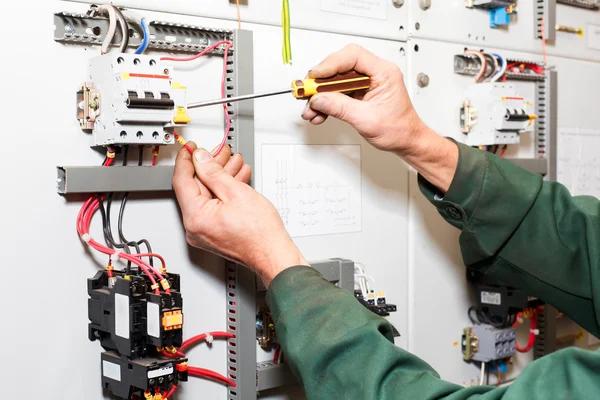
Water damage caused by leaking pipes also affects electrical wiring inside walls if left unchecked long enough, creating safety hazards that necessitate additional corrective work involving electricians alongside plumbers. Insurance claims related to water damage frequently involve deductibles and coverage limits that homeowners must navigate carefully while managing repair costs.
Preventative maintenance plays an essential role in avoiding costly leaks associated with damaged plumbing systems. Regular inspections help detect early signs of trouble such as discoloration on ceilings indicating slow drips above or reduced water pressure signaling blockages or breaks within pipes beneath surfaces.
In conclusion, damaged plumbing leads directly to costly water leaks because it permits ongoing uncontrolled release of water that damages property extensively before detection becomes possible without expert intervention-making timely attention vital for minimizing financial impact and preserving home integrity over time.