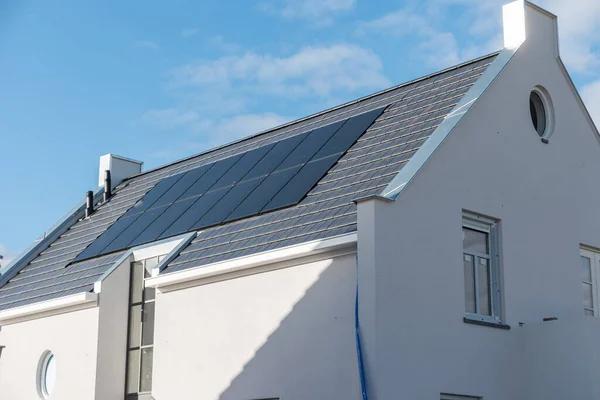
Solar panels have become a prominent technology in the global effort to transition toward cleaner and more sustainable energy sources. Their environmental impact and sustainability benefits are significant factors driving widespread adoption across residential, commercial, and industrial sectors. By converting sunlight directly into electricity through photovoltaic cells, solar panels provide a renewable source of power that reduces dependence on fossil fuels, thereby lowering greenhouse gas emissions responsible for climate change.
One of the primary environmental advantages of solar panels is their ability to generate electricity without emitting carbon dioxide or other harmful pollutants during operation. Unlike coal or natural gas plants, solar energy systems do not release sulfur dioxide, nitrogen oxides, or particulate matter that contribute to air pollution and respiratory health issues. This clean energy production helps improve air quality while mitigating global warming effects by decreasing overall carbon footprints.
Additionally, solar panels promote sustainability by harnessing an abundant and inexhaustible resource-the sun. Solar radiation is available worldwide and can be captured in diverse geographic locations with varying intensities throughout the day. This accessibility allows communities to produce local energy autonomously, reducing transmission losses associated with centralized power grids. Distributed generation also enhances energy security by diversifying supply sources and minimizing reliance find answers here on imported fuels vulnerable to price fluctuations or geopolitical tensions.
Despite these advantages, it is important to consider the environmental impacts related to manufacturing, installation, and disposal stages of solar panel life cycles. The production process involves mining raw materials such as silicon, silver, and rare earth elements which may cause habitat disruption or pollution if not managed responsibly. Energy consumption during manufacturing contributes indirectly to emissions depending on the regional electricity mix used in factories. However, ongoing advancements aim at improving material efficiency while developing recycling programs that recover valuable components from decommissioned panels.
In terms of land use footprint compared to other renewable technologies like wind farms or bioenergy crops, solar installations can be integrated into existing structures such as rooftops or parking lots without requiring additional space dedicated solely for power generation purposes. This characteristic supports urban sustainability efforts by utilizing underused surfaces effectively without compromising natural habitats.
Overall, solar panels represent a vital component of sustainable development strategies seeking low-impact alternatives capable of meeting growing global energy demands responsibly. Their capacity for clean electricity generation combined with continuous technological improvements ensures they remain an environmentally favorable choice contributing positively toward reducing ecological degradation while supporting economic growth through green jobs creation and innovation opportunities within renewable sectors worldwide.