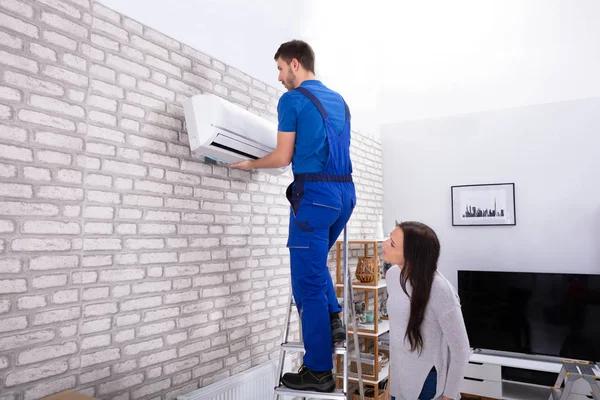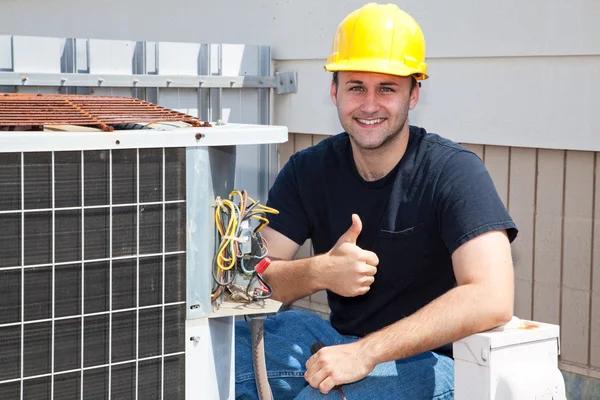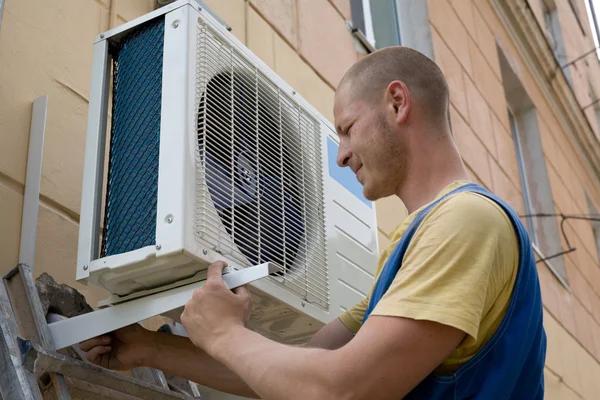
Air conditioning installation costs can vary widely depending on several important factors that influence the overall expense. Understanding these elements can help homeowners make informed decisions and budget appropriately for their cooling needs. One of the primary factors affecting installation costs is the size and type of air conditioning system chosen. Larger units or systems designed to cool multiple rooms typically require more materials and labor, leading to higher prices. Central air conditioners, ductless mini-split systems, and window units each come with distinct installation requirements that impact cost differently.
The complexity of the installation process also plays a significant role in determining expenses. Homes without existing ductwork will generally incur higher charges because installing ducts involves additional labor, materials, and sometimes structural modifications. Conversely, if ductwork is already in place and in good condition, this can reduce both time and cost considerably. The layout of the home itself matters; houses with difficult access points or unique architectural features may require extra effort to install equipment properly.
Another consideration is the efficiency rating of the air conditioner selected. High-efficiency models often have a higher upfront price but may qualify for rebates or incentives that offset initial costs over time through energy savings. Choosing an dig into it Energy Star-rated system might increase installation fees slightly due to specialized components but provides long-term benefits by reducing utility bills.
Labor rates vary depending on geographic location as well as contractor expertise. In regions where demand for HVAC services is high, prices tend to be elevated compared to areas with less competition among installers. Additionally, licensed professionals who offer warranties or guarantees might charge more than less experienced technicians; however, investing in quality workmanship ensures reliable performance and reduces future repair expenses.
Additional features such as smart thermostats or advanced filtration systems can add to total costs during installation since they require integration with existing electrical setups or HVAC controls. Homeowners should consider whether these upgrades align with their comfort preferences and budget constraints before proceeding.
Permits and inspections mandated by local building codes are another factor influencing final pricing. Obtaining necessary approvals ensures compliance with safety standards but may involve administrative fees passed on by contractors.
In summary, air conditioning installation costs depend on unit size and type, home layout complexity including ductwork availability, system efficiency ratings, labor rates tied to location and expertise levels, optional accessory installations like smart controls or filters, plus required permits and inspections governed by local regulations. Evaluating these variables carefully helps achieve a balance between upfront investment and long-term satisfaction from an effective cooling solution tailored specifically for one’s residence needs while avoiding unexpected expenditures after project completion.