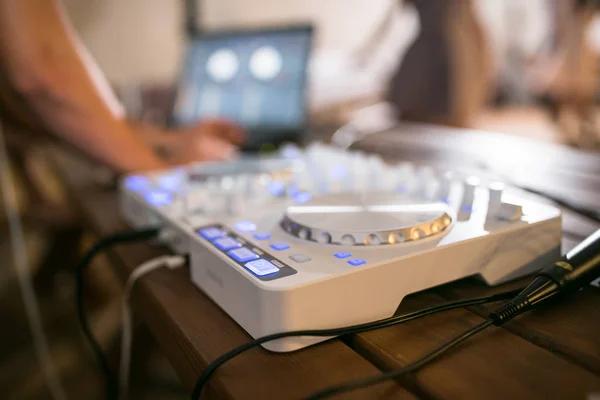
When it comes to the world of DJs, not all are created equal. The roles and responsibilities of a wedding DJ and a club DJ may appear similar on the surface, but they cater to distinctly different environments, audiences, and expectations.
A wedding DJ plays a pivotal role in one of the most memorable days in a couple’s life. Their primary responsibility is to ensure that the event flows smoothly while maintaining an atmosphere that reflects the couple’s tastes and preferences. Wedding DJs are often tasked with emceeing duties as well, guiding guests through various segments of the celebration such as introductions, speeches, cake cutting, and dances. This requires excellent communication skills and an ability to read diverse crowds ranging from grandparents to young children.
The music selection for weddings is typically broad and eclectic. A successful wedding DJ must be versatile enough to play everything from classic love songs during dinner to high-energy hits that will get everyone dancing later in the evening. They also take requests from guests while balancing these with pre-planned playlists agreed upon by the couple. Consequently, adaptability is key for a wedding DJ as they navigate through different genres and tempos throughout the event.
In contrast, club DJs visit website thrive in nightlife settings where energy levels are consistently high. Their main objective is to keep patrons dancing throughout their set by mixing tracks seamlessly using advanced techniques like beatmatching and looping. Unlike wedding DJs who focus on pleasing varied age groups with diverse musical tastes, club DJs often specialize in specific genres such as house, techno or hip-hop which align with their personal style or brand identity.