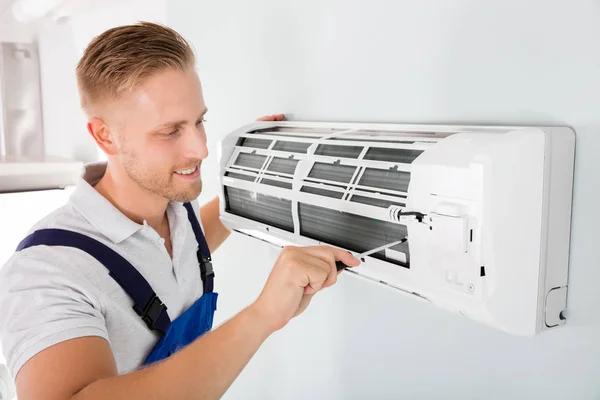
Proper seasonal HVAC maintenance is crucial for ensuring the efficient operation and longevity of heating and air conditioning systems. As temperatures fluctuate throughout the year, preparing your system to handle these changes helps avoid unexpected breakdowns and costly repairs. Regular upkeep not only improves performance but also enhances indoor air quality, providing a healthier environment for occupants.
One of the most important aspects of seasonal HVAC maintenance involves inspecting and replacing air filters. Dirty or clogged filters restrict airflow, forcing the system to work harder and consume more energy. This can lead to increased utility bills as well as premature wear on components. Changing filters every one to three months, depending on usage and filter type, keeps airflow smooth and reduces strain on the system.
Another key task is cleaning both indoor and outdoor units. Dust, debris, leaves, or other obstructions around the outdoor condenser unit can impede heat exchange efficiency in cooling mode during warmer months. Similarly, accumulated dirt inside vents or coils may reduce heating effectiveness in colder seasons. Clearing away buildup allows air to move freely through ducts while improving overall system responsiveness.
Checking thermostat settings before each season ensures that temperature controls are calibrated correctly for comfort and energy savings. Modern programmable thermostats offer customizable schedules that optimize heating or cooling based on occupancy patterns. Adjusting setpoints slightly when rooms are unoccupied prevents unnecessary energy consumption without sacrificing comfort.
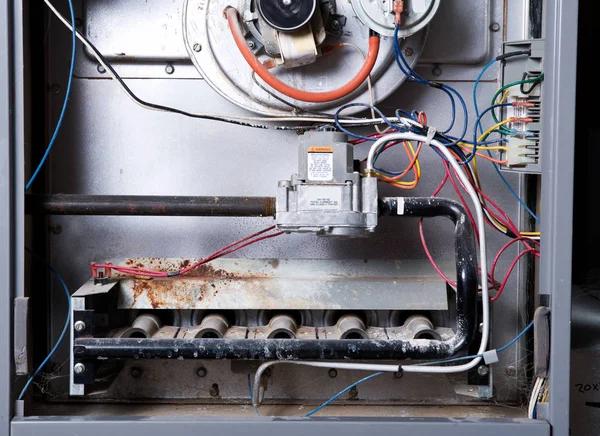
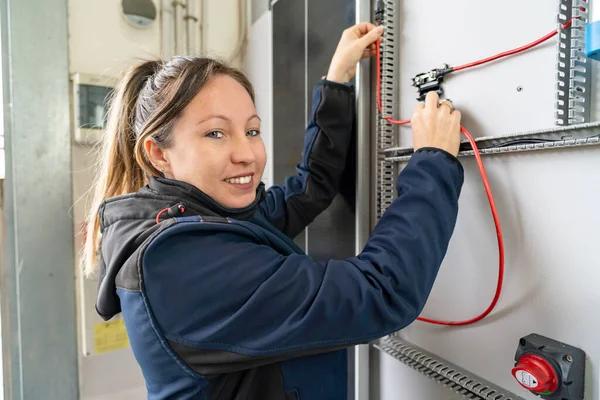
Professional inspections at least twice per year-once before summer begins and once before winter starts-are highly recommended by experts in Essential Heating and Air services companies. During these visits, technicians perform comprehensive evaluations including refrigerant level checks in AC units, electrical connection tightening to prevent hazards or malfunctions, lubrication of moving parts where applicable for smoother operation, as well as testing safety controls such as limit switches within furnaces.
Addressing minor issues early during routine maintenance avoids emergency failures during extreme weather conditions when reliable climate control is vital. Preventive care also extends equipment lifespan by minimizing stress from overuse or mechanical faults caused by neglect.
Homeowners should keep records of all service activities performed on their HVAC systems along with any repairs made over time; this documentation helps track performance trends while facilitating warranty claims if necessary.
In summary, committing to seasonal HVAC maintenance safeguards comfort throughout changing weather periods while reducing operational costs through improved efficiency. Timely filter replacements coupled with thorough cleanings prepare your unit for optimal function whether heating chilly spaces or cooling hot interiors. Scheduling professional tune-ups ahead of peak demand seasons uncovers potential problems before they escalate into major repairs requiring expensive interventions later on.