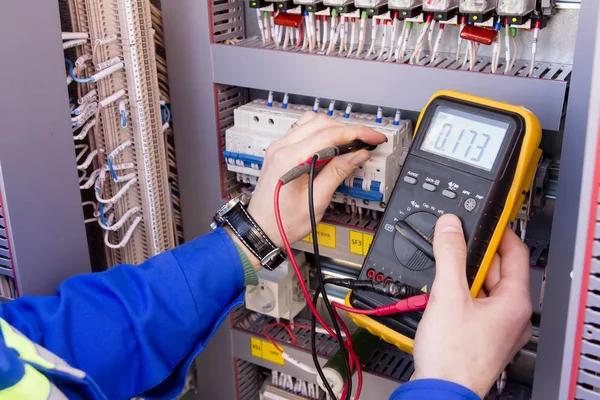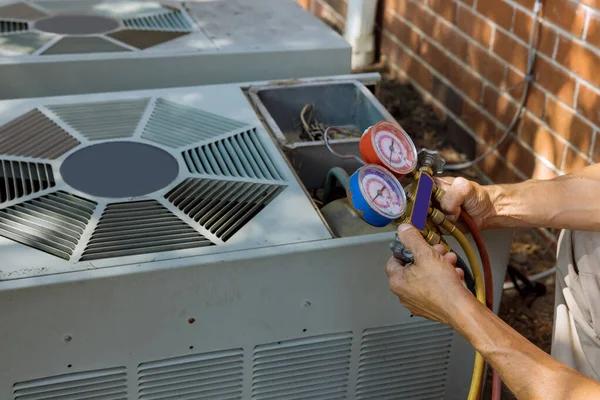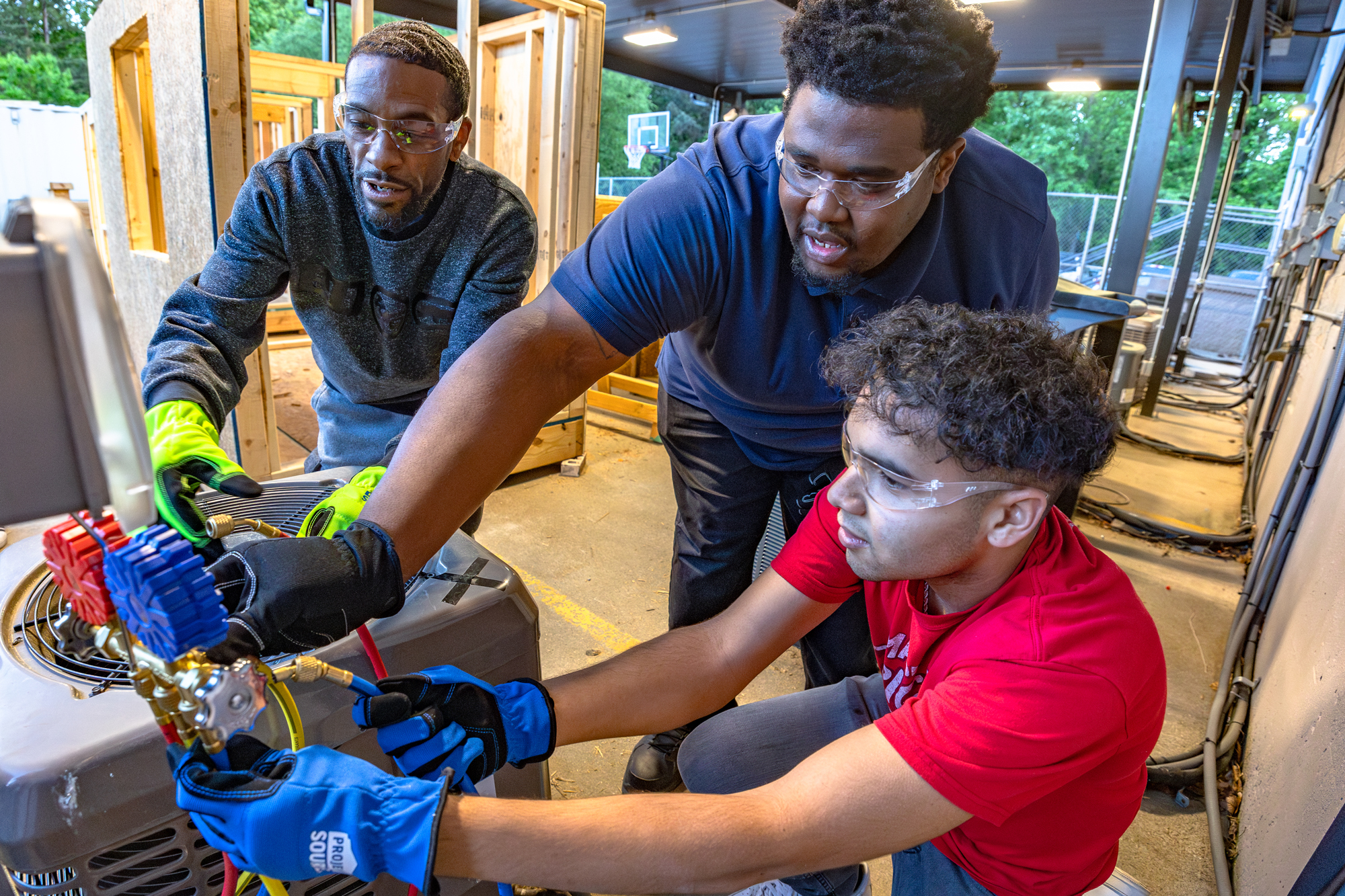
HVAC contractors today rely on a variety of modern tools and technologies to improve efficiency, accuracy, and service quality. Advances in equipment have transformed traditional heating, ventilation, and air conditioning work into a more precise and streamlined process. Digital diagnostic devices are among the most significant innovations in the field. These tools allow technicians to quickly identify issues with HVAC systems by measuring parameters such as temperature, pressure, airflow, and electrical signals. Using handheld digital multimeters or refrigerant leak detectors equipped with sensors enhances troubleshooting capabilities and reduces guesswork during repairs.
Another critical technology used by HVAC professionals is infrared thermography. Infrared cameras enable contractors to visualize heat patterns within walls, ducts, or machinery without invasive procedures. This non-destructive testing method helps detect insulation problems, leaks in ductwork, or malfunctioning components that may otherwise go unnoticed during routine inspections. learn the ins and outs ability to pinpoint inefficiencies contributes to better system performance and energy savings for clients.
Modern HVAC systems often incorporate smart thermostats and automation controls that can be programmed remotely via smartphones or computers. Contractors install these devices to optimize comfort while minimizing energy consumption based on real-time data analysis of usage patterns and environmental conditions. Integration with home automation platforms allows users to control heating and cooling settings conveniently from anywhere while providing valuable information for maintenance scheduling.
In addition to diagnostic instruments and control technologies, advances in software applications play an essential role in managing projects effectively. Mobile apps designed specifically for HVAC professionals facilitate job scheduling, inventory management, invoicing, customer communication, and access to technical manuals or installation guides on-site. Cloud-based solutions ensure that important documents are securely stored yet instantly accessible whenever needed.
For physical tasks like cutting pipes or installing ductwork efficiently under tight deadlines requires specialized power tools engineered for durability and precision-cordless drills with long-lasting batteries reduce downtime caused by recharging cables while laser levels help maintain accurate alignment during installations.
Environmental considerations also drive technological adoption within the industry as new refrigerants compliant with regulations necessitate updated handling equipment capable of safely recovering substances without releasing harmful emissions into the atmosphere.
Together these modern tools empower HVAC contractors not only to deliver faster repairs but also enhance preventive maintenance efforts which extend equipment lifespan while reducing operational costs over time.
As technology continues evolving rapidly within this sector it will remain crucial for professionals engaged in heating ventilation air conditioning services stay informed about emerging innovations so they can provide superior outcomes tailored toward client satisfaction along with regulatory compliance standards worldwide.