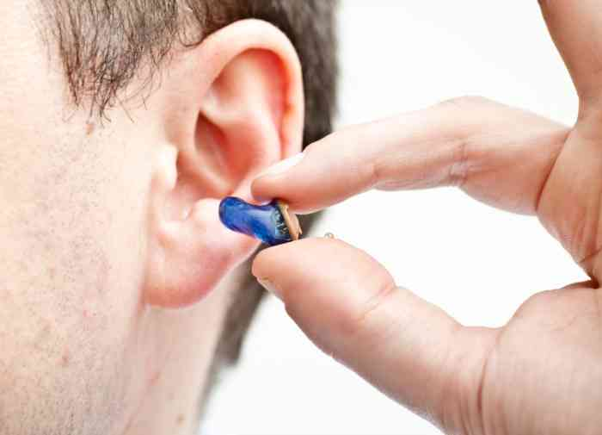
Hearing aids have undergone remarkable advancements over the past few decades. Modern devices are no longer simple sound amplifiers; they are sophisticated digital systems designed to provide highly personalized hearing experiences. One of the most important innovations in hearing healthcare is digital programming, which allows hearing aids to be customized according to an individual’s unique hearing profile.
Today, successful hearing aid fitting involves much more than selecting a device and adjusting the volume. Digital programming enables hearing care professionals to fine-tune hearing aids with exceptional precision, helping users hear speech more clearly and comfortably in a variety of listening environments.
Many individuals begin their hearing care journey by consulting specialists at the best ENT hospital near you, where comprehensive evaluations and advanced hearing aid technologies are often available. Professional assessment and programming play a critical role in maximizing the benefits of modern hearing devices.
Understanding how digital programming works can help patients appreciate why professional fitting and ongoing adjustments are essential for achieving optimal hearing outcomes.
What Is Digital Programming?
Digital programming refers to the process of customizing a hearing aid’s settings using specialized computer software.
Unlike older analog hearing aids, which amplified all sounds in a similar manner, digital hearing aids process sound electronically. This allows hearing professionals to adjust amplification levels for different sound frequencies based on the user’s hearing loss pattern.
The programming software communicates directly with the hearing aid, enabling precise modifications to settings such as:
- Sound amplification
- Speech enhancement
- Noise reduction
- Feedback management
- Environmental adaptation
- Volume control preferences
This level of customization allows hearing aids to deliver a more natural and comfortable listening experience.
Every hearing loss pattern is unique, which is why digital programming has become a cornerstone of modern hearing rehabilitation.
The Role of Hearing Assessments in Programming
Accurate digital programming begins with a comprehensive hearing evaluation.
During the assessment, hearing professionals measure how well an individual hears sounds across different frequencies and volumes. The results are recorded on an audiogram, which serves as the foundation for programming decisions.
The evaluation typically helps determine:
- Type of hearing loss
- Degree of hearing loss
- Speech understanding ability
- Listening challenges in daily life
For example, a person who struggles primarily with high-frequency sounds may require different amplification settings than someone with hearing loss across all frequencies.
The hearing assessment provides the data needed to create a personalized hearing solution rather than relying on generalized settings.
How Digital Programming Improves Speech Clarity
One of the primary goals of hearing aid programming is improving speech understanding.
Many individuals with hearing loss can hear sounds but struggle to distinguish speech, particularly in noisy environments. Modern digital systems are designed to address this challenge.
Through programming, hearing professionals can:
- Enhance speech frequencies
- Reduce competing background noise
- Improve sound balance
- Increase listening comfort
- Prioritize conversational sounds
This targeted approach helps users focus on speech without being overwhelmed by surrounding noise.
A patient once described hearing aids before proper programming as “hearing everything equally loud.” After digital adjustments, conversations became significantly clearer while distracting sounds became less intrusive.
This illustrates the powerful impact that customized programming can have on daily communication.
Adapting to Different Listening Environments
Modern hearing aids are used in a wide range of situations, from quiet homes to crowded restaurants and busy workplaces.
Digital programming allows hearing aids to adapt automatically to changing environments.
Many devices can recognize different sound settings and adjust accordingly, including:
- Quiet conversations
- Group discussions
- Outdoor environments
- Public gatherings
- Telephone conversations
- Music listening
The hearing professional can create multiple listening programs that optimize performance for specific situations.
As a result, users experience greater flexibility and fewer manual adjustments throughout the day.
This adaptability represents one of the major advantages of digital hearing technology.
Real-Ear Measurements and Verification
Programming hearing aids based solely on hearing test results is often not enough.
To ensure accuracy, many hearing professionals perform a procedure known as real-ear measurement. This technique verifies that the hearing aid is delivering the intended sound levels within the ear canal.
During the process, a tiny microphone is placed in the ear canal while sounds are presented through speakers. The measurements help determine whether the programmed settings match the individual’s hearing needs.
Benefits of verification include:
- Improved fitting accuracy
- Enhanced speech understanding
- Better listening comfort
- Reduced need for major adjustments later
Real-ear measurement is considered one of the most effective methods for validating hearing aid performance and ensuring optimal results.
Fine-Tuning and Follow-Up Adjustments
Digital programming is rarely completed in a single appointment.
When individuals first begin using hearing aids, their brains need time to adapt to sounds that may not have been heard clearly for years. During this adjustment period, users often provide feedback about their listening experiences.
Common concerns may include:
- Certain sounds being too loud
- Difficulty hearing in noisy environments
- Challenges with television volume
- Wind noise outdoors
- Telephone clarity issues
Based on this feedback, hearing professionals make additional programming adjustments to improve comfort and performance.
These follow-up visits are an important part of the rehabilitation process and contribute significantly to long-term satisfaction.
The goal is to create settings that feel natural and effective in real-world situations.
Artificial Intelligence and Smart Programming Features
Recent advances in hearing aid technology have introduced artificial intelligence (AI) into the programming process.
AI-enabled hearing aids can learn from user behavior and automatically adjust settings based on listening preferences.
Some advanced systems can:
- Recognize frequently visited environments
- Adapt to background noise patterns
- Improve speech focus automatically
- Learn preferred volume levels
- Provide usage insights through smartphone applications
These intelligent features enhance personalization and reduce the need for frequent manual adjustments.
As technology continues to evolve, digital programming is becoming even more sophisticated, allowing hearing aids to respond dynamically to individual listening needs.
Why Professional Programming Matters
Many people assume that purchasing a high-quality hearing aid is enough to achieve good hearing outcomes. However, even the most advanced device cannot perform optimally without proper programming.
Professional programming ensures that:
- Amplification matches the hearing loss profile
- Sound quality is optimized
- Speech understanding is maximized
- Comfort levels are maintained
- Device features are used effectively
Research consistently shows that professionally fitted and programmed hearing aids provide better outcomes than devices that rely solely on default settings.
The expertise of hearing care professionals remains one of the most important factors influencing hearing aid success.
Conclusion
Digital programming has revolutionized modern hearing care by transforming hearing aids into highly personalized communication tools. Through advanced software, hearing professionals can customize amplification, enhance speech understanding, reduce background noise, and optimize performance for a variety of listening environments.
The process begins with comprehensive hearing assessments and continues through verification, fine-tuning, and ongoing follow-up care. Modern innovations such as artificial intelligence further enhance the ability of hearing aids to adapt to individual needs and preferences.
While hearing aid technology continues to advance, professional programming remains the key to unlocking its full potential. With accurate customization and expert support, digital hearing aids can significantly improve communication, confidence, and overall quality of life for individuals living with hearing loss.