Many homeowners consider closing air vents in unused rooms as a quick and easy way to save energy and improve the efficiency of their HVAC system. At first glance, it seems logical: if a room is not being used, why waste conditioned air there? However, this common practice can have unintended consequences on the performance and longevity of your heating, ventilation, and air conditioning system. Understanding how closing air vents affects your HVAC system is essential for making informed decisions about your home’s comfort and energy consumption.
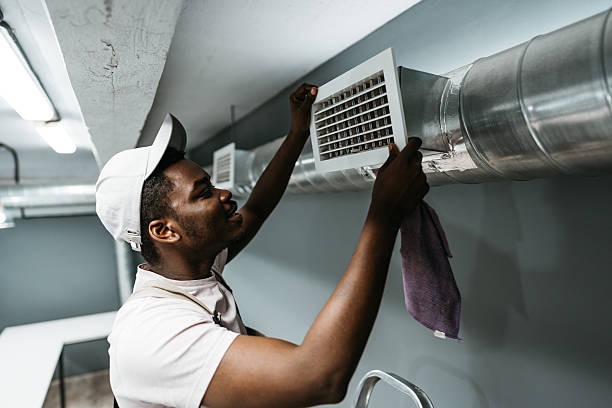
When you close air vents in unused rooms, you are effectively reducing the amount of air flowing through your ductwork. While this might decrease the conditioned air delivered to that particular space, it can disrupt the overall balance of read more the HVAC system. Most modern HVAC systems are designed to handle a specific volume of air flow. Closing vents in some rooms forces the system to push the same amount of air through fewer open vents, increasing air pressure within the ducts.
This increased pressure can cause several issues. First, the higher pressure may lead to air leaks in the ductwork, especially if the ducts have cracks or loose connections. These leaks waste energy by allowing conditioned air to escape into unconditioned spaces such as attics or crawl spaces, which defeats the purpose of closing the vents. Additionally, the added stress on the duct system can reduce the overall efficiency of the HVAC unit and lead to premature wear and tear on components like the blower motor.
Another consequence of closing vents is the potential for uneven heating or cooling throughout your home. The rooms with closed vents might become significantly cooler or warmer than desired, but the remaining rooms may also experience fluctuations because the system is not distributing air as intended. This imbalance can cause your HVAC system to work harder to maintain the set temperature on the thermostat, which can increase energy consumption and utility bills.
Moreover, some heating and cooling systems rely on a minimum airflow to operate safely and efficiently. For example, furnaces need adequate airflow to prevent overheating. When vents are closed, the reduced airflow can cause the furnace to shut down or cycle on and off frequently, reducing its lifespan and potentially leading to costly repairs.
Instead of closing vents entirely, a better approach to improving HVAC efficiency in unused rooms is to adjust the thermostat settings for those areas or use zoning systems that allow independent temperature control for different parts of the house. Sealing and insulating unused rooms can also help minimize energy loss without disrupting airflow.
In conclusion, while closing air vents in unused rooms might seem like a practical way to save energy, it can negatively impact your HVAC system’s performance, increase energy costs, and lead to maintenance problems. It’s important to consider alternative methods that maintain proper airflow and system balance to ensure your HVAC system operates efficiently and your home remains comfortable year-round.