Minor plumbing issues, often dismissed as mere inconveniences, can silently escalate into major repair costs if not addressed promptly. Homeowners frequently overlook small leaks or drips, considering them insignificant. However, these seemingly trivial problems are harbingers of more extensive damage that can strain both the home’s infrastructure and the homeowner’s budget.
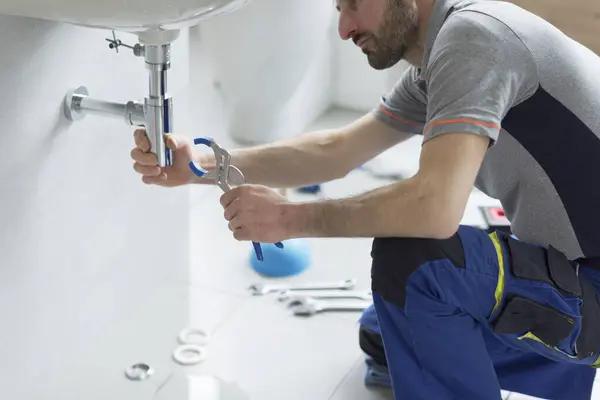
A common minor issue is a dripping faucet. While it might seem harmless at first glance, it contributes to water wastage and increases utility bills over time. More importantly, the constant drip can wear down fixtures and create rust or mineral deposits that lead to further deterioration. This gradual degradation necessitates replacement rather than simple repairs, increasing expenses significantly.
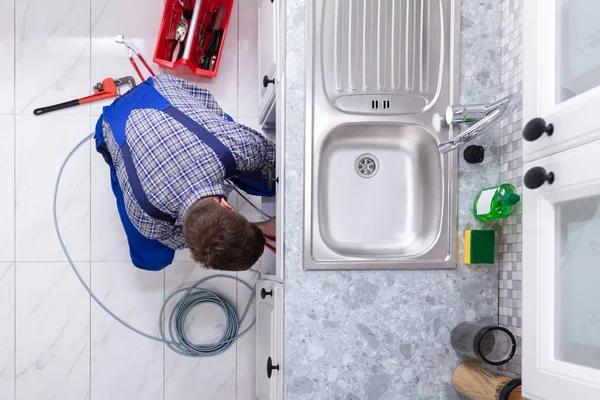
Another overlooked problem is slow-draining sinks or tubs. These are often caused by clogs due to hair, soap scum, or debris accumulation in pipes. Initially manageable with basic tools like plungers or drain cleaners, persistent clogs indicate deeper blockages within the plumbing system. If left untreated, they can cause pipe bursts due to pressure build-up or lead to unsanitary conditions from stagnant water pools.
Leaky toilets also represent a significant concern when ignored. A running toilet may waste hundreds of gallons of water daily without immediate visible consequences but will reflect on your monthly water bill shockingly fast. Beyond financial implications, continuous leakage can undermine read more on the website toilet due to moisture exposure leading eventually to structural damage requiring costly repairs.
Similarly insidious are hidden leaks within walls or under floors which emerge as damp spots or mold growths over time—issues that pose health risks while simultaneously weakening structural integrity if unaddressed promptly. The cost of fixing such concealed damages skyrockets compared to initial leak repairs because they often require tearing down parts of walls or floors for comprehensive restoration.
Moreover, fluctuating water pressure signals potential underlying issues in pipes such as corrosion buildup or cracks which could culminate in sudden bursts causing flooding—a scenario far more expensive than preemptive pipe maintenance would have been.