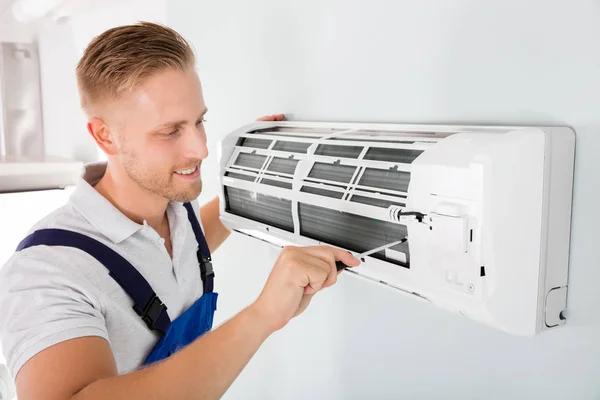
An HVAC (Heating, Ventilation, and Air Conditioning) system is essential for maintaining a comfortable indoor environment. However, there are instances where an HVAC system runs continuously without effectively meeting the set temperature demands. This inefficiency can be attributed to several factors that impact the system’s performance.
One common reason for an HVAC system running constantly is inadequate insulation in the building. Poor insulation allows heat to escape during winter or enter during summer, making it difficult for the system to maintain the desired temperature. As a result, the HVAC unit works overtime to compensate for these losses, leading to increased energy consumption and wear on its components.
Another factor contributing to this issue is incorrect sizing of the HVAC unit. If a unit is too small for a given space, it will struggle to reach and maintain the desired temperature because it lacks sufficient capacity. Conversely, an oversized unit may short cycle—frequently turning on and off—which prevents efficient operation and fails to properly dehumidify or evenly distribute air throughout the space.
Clogged filters also play a significant role in compromising an HVAC system’s efficiency. Dirty or blocked filters restrict airflow through the system, forcing it to work harder than necessary. This not only reduces find out more its ability to keep up with demand but can also lead to overheating and potential damage over time if left unaddressed.
Leaky ductwork represents another prevalent issue that affects performance.